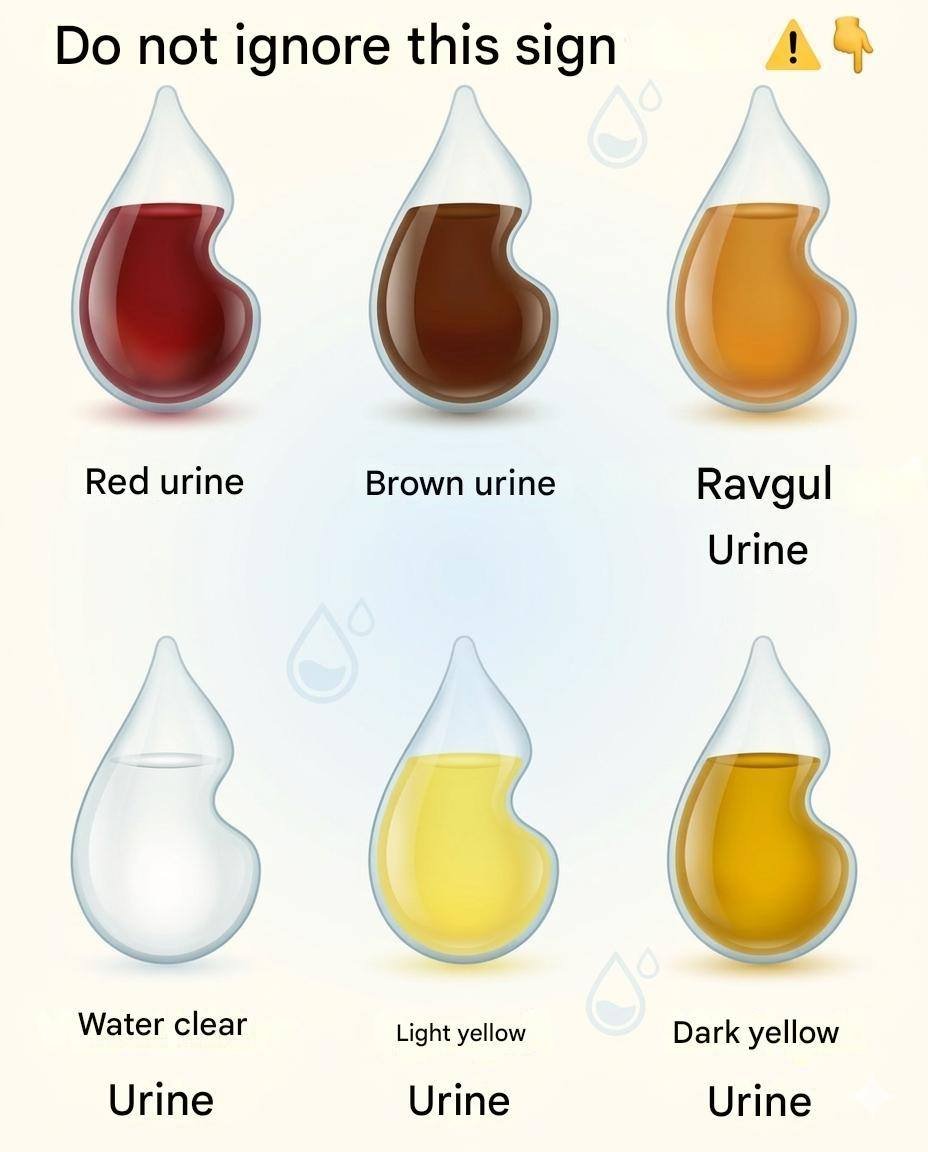
6. Red or pink urine
Red or pink urine can be alarming, as it may indicate the presence of blood, a condition known as hematuria, which requires immediate medical attention. Potential causes of blood in urine include urinary tract infections, kidney stones, bladder or kidney cancer, and trauma.
However, red or pink coloration can also stem from harmless sources such as consuming beets, blackberries, or certain food dyes. Differentiating these causes is essential, especially if the discoloration persists or is accompanied by other symptoms like pain or fever.
Warning: If you notice red or pink urine and cannot attribute it to diet or medications, or if it persists, consult your healthcare provider promptly to determine the cause and receive appropriate treatment.
7. Medications affecting urine color
Several medications can alter urine color as a side effect. Understanding which drugs cause these changes can prevent unnecessary alarm.
- Rifampin: May turn urine orange-red.
- Phenazopyridine: A urinary tract analgesic that can cause bright orange urine.
- Metronidazole and nitrofurantoin: Can give urine a brownish tint.
- Vitamin B supplements: Often cause bright yellow or fluorescent urine.
If you have recently started a new medication and notice a change in urine color, review the drug information leaflet and discuss any concerns with your prescriber rather than discontinuing the medication on your own.
8. Foods affecting urine color
Diet can influence urine color temporarily. Pigments from certain foods pass through the kidneys and color the urine without indicating disease.
- Beets: Can cause red or pink urine, a harmless condition called beeturia.
- Blackberries, rhubarb, and fava beans: May also cause reddish or brownish urine color.
- Carrots and foods high in carotene: Can cause orange urine.
- Asparagus: Sometimes causes a distinctive odor but can also cause a greenish tint.
These changes typically resolve within a day or two after stopping the food responsible and do not require medical evaluation unless other symptoms occur.