9. When to seek medical advice
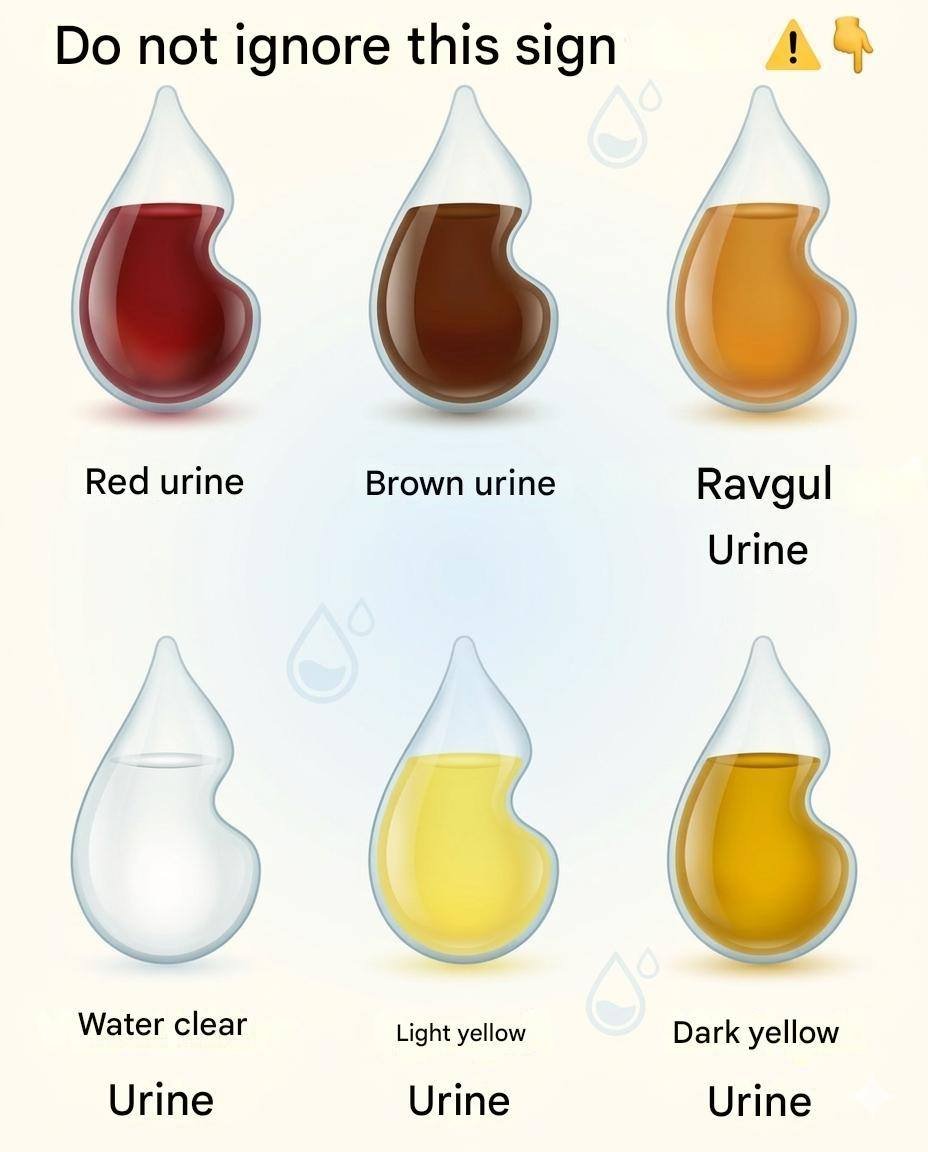
While urine color changes are often harmless and linked to hydration, diet, or medications, certain signs should prompt medical evaluation. Seek medical advice if you notice:
- Persistent unusual urine color lasting more than 48 hours without an obvious cause.
- Red, pink, or brown urine that could represent blood.
- Accompanying symptoms such as pain during urination, abdominal or flank pain, fever, fatigue, or swelling.
- Signs of liver disease like jaundice (yellowing of skin or eyes), dark urine with pale stools.
- Sudden onset of cloudy or foul-smelling urine combined with discomfort.
A healthcare provider may recommend urine tests such as urinalysis, urine culture, or imaging studies to diagnose underlying conditions like infections, kidney stones, or liver dysfunction.
10. Hydration tips
Maintaining adequate hydration is essential for healthy urine color and optimal body function. Here are practical hydration tips:
- Drink water consistently throughout the day rather than large amounts infrequently.
- Adjust fluid intake based on activity level, climate, and health status.
- Limit excessive caffeine and alcohol, which can cause dehydration.
- Monitor urine color as a simple indicator of hydration: aim for a pale yellow shade.
- Include hydrating foods such as fruits and vegetables in your diet.
Proper hydration supports kidney function, toxin elimination, and overall health.
Conclusion
The color of your urine provides valuable insights into your hydration status, diet, medication effects, and potential health issues. Paying attention to persistent changes, especially red, brown, or orange hues, can help detect serious conditions early.
Regularly monitoring urine color alongside other symptoms allows you to take timely action and seek medical care when necessary to protect your health.
If you have concerns about urine color or related symptoms, please consult a healthcare professional for personalized advice and diagnosis.