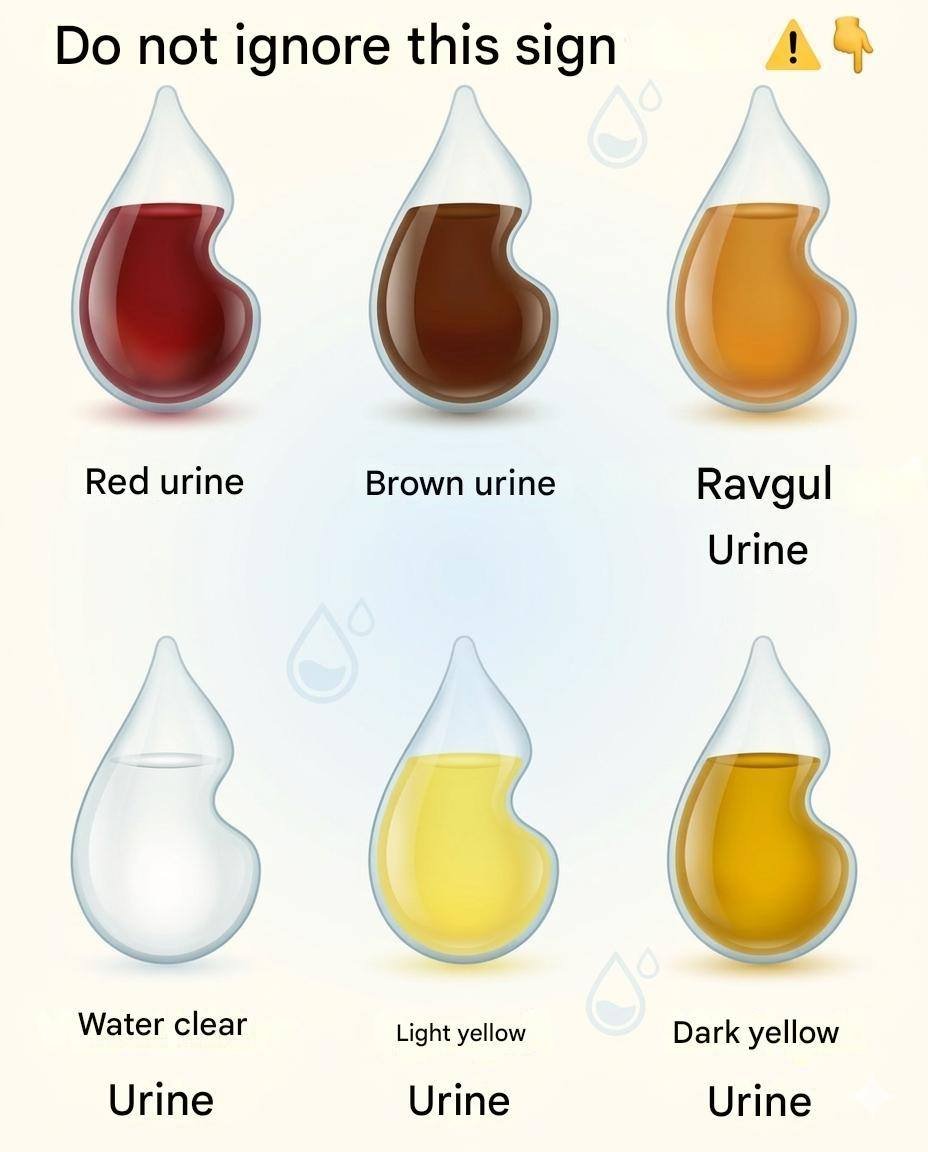
3. Dark yellow urine
Dark yellow urine often signals mild to moderate dehydration. When your body lacks sufficient water, the kidneys conserve fluids by concentrating urine, which increases the concentration of urochrome and results in a deeper yellow hue.
This color change is a natural warning sign that you need to increase your fluid intake. Situations such as exercise, hot weather, or illness can contribute to dehydration and darker urine.
Tip: Aim to drink water regularly throughout the day, especially during physical activity or when exposed to heat. Monitoring urine color can be a practical way to assess your hydration status.
4. Orange urine
Orange urine may arise from dehydration but can also be caused by certain medications or foods. For example, drugs such as rifampin, phenazopyridine, and some laxatives can impart an orange tint. Foods rich in carotene, like carrots, may also temporarily change urine color.
More concerningly, persistent orange urine can indicate liver or bile duct problems, such as jaundice, where excess bilirubin affects urine color. This warrants medical evaluation, especially if accompanied by other symptoms like fatigue, abdominal pain, or yellowing of the skin or eyes.
Important: If orange urine persists beyond a day or two and is not linked to medication or dietary causes, consult a healthcare professional for further assessment.
5. Brown urine
Brown urine is less common and can be a sign of serious health conditions. Causes include significant dehydration, liver diseases such as hepatitis or cirrhosis, or the presence of myoglobin after intense muscle injury.
Brown urine may also result from consuming certain foods like fava beans or medications such as metronidazole. However, because it can indicate liver dysfunction or severe dehydration, it is important not to ignore this symptom.
Recommendation: Seek medical attention promptly if you notice brown urine, especially if it is persistent or accompanied by other symptoms like dark stools, jaundice, or abdominal pain.