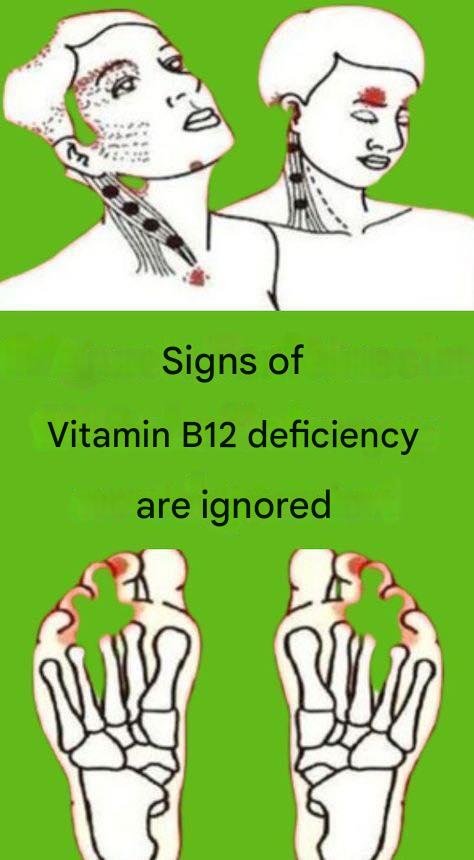
3. Tingling or numbness
Tingling or numbness, often described as a “pins and needles” sensation, usually affects the hands, feet, or legs in vitamin B12 deficiency. This occurs because B12 is crucial for maintaining the myelin sheath that protects nerves. When deficient, nerve damage can develop, leading to peripheral neuropathy.
Patients may notice decreased sensation, difficulty feeling temperature changes, or even burning sensations. If untreated, this nerve damage can become permanent, underscoring the importance of early diagnosis.
4. Difficulty walking or poor coordination
Vitamin B12 deficiency can impair proprioception and balance due to its effects on the spinal cord and peripheral nerves. This may cause difficulty walking, a “wobbly” gait, or poor coordination. In advanced cases, patients might experience muscle weakness and spasticity, increasing the risk of falls.
These neurological symptoms often indicate more severe or prolonged deficiency. Prompt treatment with B12 injections or high-dose oral supplements can halt progression and improve symptoms.
5. Memory problems or cognitive decline
Cognitive symptoms of B12 deficiency include memory loss, difficulty concentrating, confusion, and in severe cases, dementia-like symptoms. B12 is vital for brain health, involved in neurotransmitter synthesis and nerve function.
These changes can be subtle initially, often mistaken for normal aging or stress. However, untreated deficiency may cause irreversible neurological damage. Blood tests assessing serum B12 levels and methylmalonic acid can aid diagnosis.
Early intervention can improve cognitive function, but advanced neurological damage may be only partially reversible.