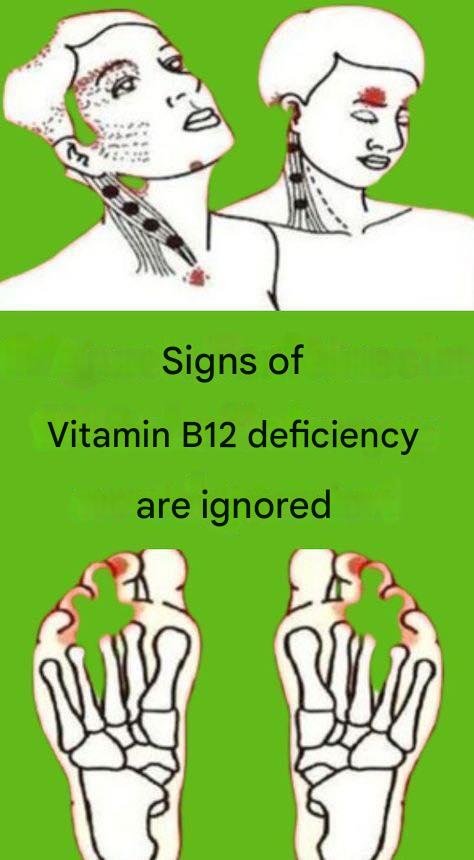
If you experience sudden numbness, difficulty walking, or severe confusion, seek medical attention promptly as these can be signs of serious nerve or neurological damage from vitamin B12 deficiency.
Vitamin B12 Deficiency: When to Suspect It and What to Check First
Vitamin B12 deficiency is a frequently missed diagnosis despite its potential to cause severe and irreversible neurological damage if untreated. Because symptoms develop gradually and mimic other conditions, many people ignore early warning signs until complications arise.
The critical first step in evaluating possible B12 deficiency is distinguishing whether symptoms primarily stem from anemia or nerve damage. This distinction guides urgency and treatment strategy.
Ask Yourself: Are Your Symptoms More Anemia-Related or Neurological?
Anemia-related signs include unusual fatigue, pale or yellowish skin, shortness of breath, dizziness, and heart palpitations. These result from impaired red blood cell production caused by insufficient B12, reducing oxygen delivery to tissues.
Neurological signs involve tingling or numbness in extremities, difficulty walking, poor coordination, memory issues, mood changes, and vision disturbances. These occur because B12 is essential for maintaining nerve sheath integrity and brain function.
Check Your Medicine Cabinet
Some commonly used medications can reduce vitamin B12 absorption, increasing deficiency risk. Proton pump inhibitors (PPIs) and metformin are notable examples. If you take these medications long-term, mention this to your healthcare provider as it may warrant closer B12 monitoring.
Who Is Most at Risk?
- Older adults: Absorption of B12 naturally declines with age due to decreased stomach acid production.
- Vegetarians and vegans: Since B12 is primarily found in animal products, plant-based diets can lead to inadequate intake without supplementation.
- People with digestive disorders: Conditions like celiac disease, Crohn’s disease, or those who have had gastric surgery often have impaired B12 absorption.
- Individuals on certain medications: Long-term use of drugs such as PPIs or metformin can interfere with B12 levels.
Why Testing Matters
A simple blood test measuring serum B12 levels can confirm deficiency. In some cases, additional tests such as methylmalonic acid or homocysteine levels provide more sensitive detection. Early diagnosis allows timely treatment through supplements or dietary changes, preventing permanent nerve damage.
Vitamin B12 deficiency is a reversible cause of serious symptoms that is often overlooked. If you notice persistent fatigue, neurological symptoms, or changes in mood and cognition, consult your doctor. Don’t dismiss these signs as normal aging or stress.
Here are the 11 signs of vitamin B12 deficiency that often get ignored. Number 3 is the one most people find unsettling because it signals nerve involvement requiring prompt attention.