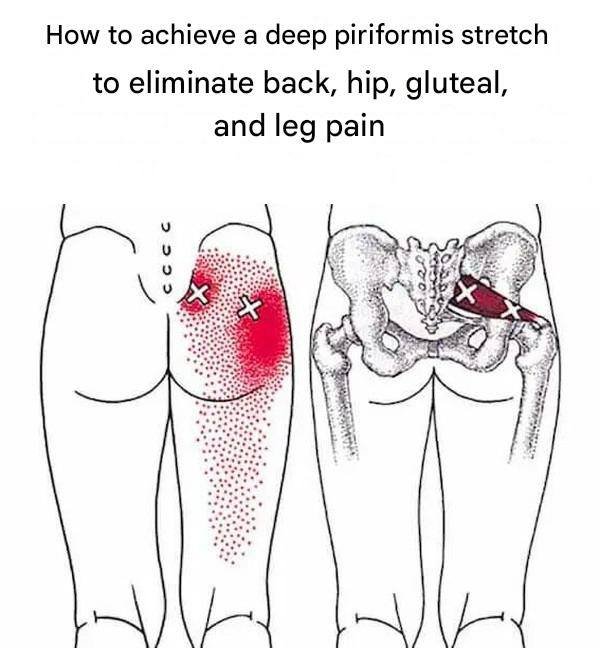
9. Strengthening Exercises
Strengthening the muscles around the hip, especially the gluteal muscles, is vital to prevent recurrence of piriformis syndrome. These exercises support proper biomechanics and reduce compensatory strain on the piriformis.
- Leg Slides: Lie on your back with knees bent and feet flat on the floor. Engage your abdominal muscles by drawing your stomach inward. Slowly slide one leg out straight along the floor, then return to the starting position. Repeat for multiple reps on each side.
- Floor Bridge: Lie on your back with knees bent and feet hip-width apart. Press through your heels to lift your hips until your body forms a straight line from shoulders to knees. Hold briefly and lower slowly. This strengthens the glutes and hamstrings.
- Lateral Band Walks: Place a resistance band around your ankles. Slightly bend your knees and maintain tension on the band. Take small side steps while keeping your hips level. This targets the hip abductors and external rotators.
- Ball Squats: Stand with a stability ball positioned between your lower back and a wall. Slowly squat down by bending the knees while keeping your chest upright, then push through your heels to return to standing. This exercise strengthens the quadriceps and glutes.
10. Preventive Tips and Lifestyle Changes
To minimize the risk of developing piriformis syndrome or prevent flare-ups, consider these lifestyle adjustments:
- Maintain active gluteal muscles: Regular exercise targeting the hips and glutes helps avoid muscle imbalances.
- Limit prolonged sitting: Take frequent breaks to stand, stretch, or walk when working at a desk or driving.
- Practice good posture: Proper sitting and standing alignment reduce unnecessary strain on hip muscles.
- Incorporate flexibility routines: Regular stretching of the hip flexors, hamstrings, and piriformis maintains muscle balance.
- Use ergonomic seating supports: Cushions or lumbar supports can help maintain pelvic alignment during sitting.
When to See a Doctor
If you experience persistent or worsening pain, numbness, or weakness in your hip, buttock, or leg, it is important to seek medical evaluation. Immediate consultation is warranted if symptoms include severe pain, loss of bladder or bowel control, or significant weakness, as these may indicate more serious neurological conditions.
Early diagnosis and tailored treatment can prevent chronic pain and functional limitations.
Conclusion
Piriformis syndrome can cause significant discomfort and impair mobility, but with proper diagnosis and a comprehensive treatment plan—including targeted stretches, strengthening exercises, foam rolling, and lifestyle changes—many individuals experience meaningful relief. Consistency and professional guidance are key to successful management.
This article is for informational purposes only and does not replace professional medical advice. Consult your healthcare provider for personalized diagnosis and treatment.