If you experience severe numbness, weakness, or loss of bladder or bowel control, seek emergency medical care immediately.
Distinguishing Piriformis Syndrome from Other Causes of Sciatic Pain
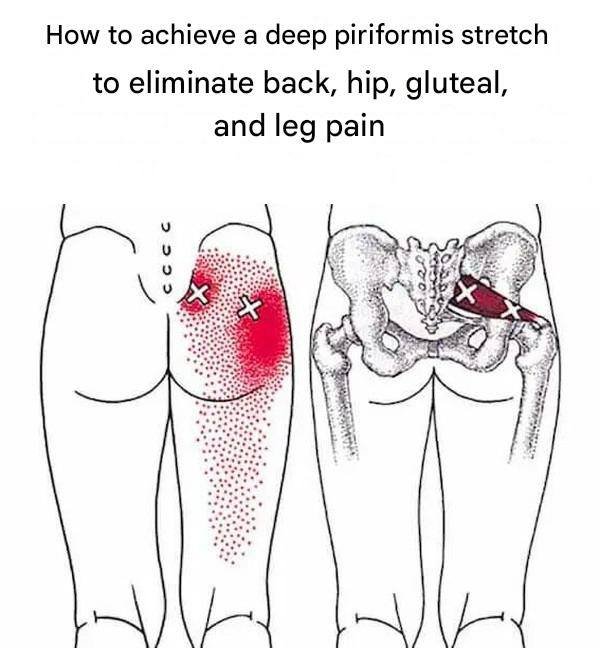
Piriformis syndrome occurs when the piriformis muscle irritates or compresses the sciatic nerve, causing pain that radiates from the buttock down the leg. This condition can mimic sciatica caused by spinal issues but requires a different treatment approach. Before starting any stretches or exercises, it is crucial to determine whether the pain originates from the piriformis muscle or from spinal nerve compression.
One simple self-assessment involves noting the location and triggers of your pain. Piriformis syndrome typically causes deep buttock pain that worsens with prolonged sitting, climbing stairs, or walking uphill. Pain may radiate down the back of the thigh but usually spares the lower leg. If your pain extends past the knee or is accompanied by numbness, a spinal cause may be more likely, necessitating medical evaluation.
What Is the Piriformis Muscle and Its Role?
The piriformis is a small, pear-shaped muscle located deep in the buttock. It originates from the front of the sacrum, passes through the greater sciatic foramen, and attaches to the greater trochanter of the femur. This muscle plays key roles in externally rotating the hip, abducting the thigh, and extending the hip joint. Despite its size, the piriformis is vital for hip stability during movement.
How Piriformis Syndrome Develops
Piriformis syndrome arises when the piriformis muscle becomes tight, inflamed, or spasms, pressing on the nearby sciatic nerve. This nerve runs either underneath or through the piriformis muscle, making it susceptible to compression. Several factors contribute to this condition:
- Tight hip flexors that alter pelvic alignment
- Weak or inactive gluteal muscles leading to compensatory piriformis overuse
- Excessive or repetitive use of the hip rotators
- Prolonged sitting habits that shorten and irritate the muscle
- Poor movement patterns that strain hip stabilizers
When the glutes fail to activate properly, the piriformis muscle often compensates, increasing tightness and the risk of spasm.
Medications and Self-Care: Check Your Medicine Cabinet
Over-the-counter nonsteroidal anti-inflammatory drugs (NSAIDs) can help reduce piriformis muscle inflammation and pain, but they should be used according to package directions and only after consulting your healthcare provider. Muscle relaxants may be prescribed by physicians in certain cases to relieve spasms. It is important not to self-medicate beyond recommended doses and to discuss persistent symptoms with a medical professional.
When to See a Doctor
If you have persistent or worsening pain in the hip, buttock, or lower back, or if symptoms interfere with your daily activities, a thorough evaluation by a healthcare provider is warranted. Diagnosis may involve physical examination, imaging studies, and nerve conduction tests to differentiate piriformis syndrome from other causes of sciatic pain.
Early diagnosis guides appropriate treatment, which may include targeted stretching, strengthening exercises, and movement retraining. In rare cases, injections or surgery might be considered.
Here are the 10 essential topics for managing piriformis syndrome. Number 7 covers a crucial self-treatment method that many overlook — and it can accelerate relief significantly.