3. Signs and Symptoms
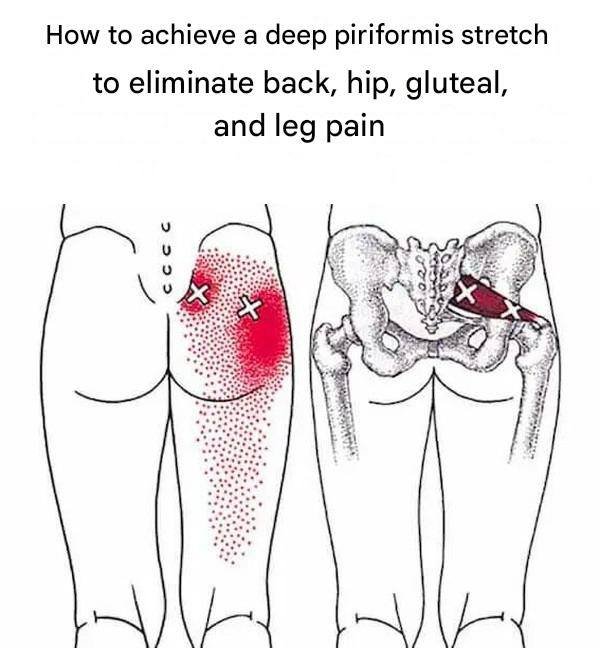
Recognizing piriformis syndrome involves identifying symptoms that typically affect the lower body. Common signs include:
- Buttock pain: Often described as a deep ache or sharp pain localized over the piriformis muscle area.
- Pain radiating down the back of the thigh: This mimics sciatic nerve irritation and can extend as far as the calf or foot.
- Discomfort when sitting: Sitting for prolonged periods can exacerbate pain due to pressure on the piriformis and sciatic nerve.
- Pain during physical activities: Activities like climbing stairs or walking uphill may increase discomfort.
- Reduced hip range of motion: Tightness or spasms in the piriformis can limit hip flexibility and movement.
- Tenderness: Palpation over the piriformis area may reveal localized tenderness or muscle tightness.
Because these symptoms overlap with other conditions affecting the lumbar spine and lower extremities, such as herniated discs or spinal stenosis, accurate diagnosis can be challenging.
4. Common Causes
The exact cause of piriformis syndrome is often multifactorial and may not always be identifiable. However, several contributing factors have been recognized:
- Tight hip flexors: Muscles at the front of the hip that, when shortened, can alter pelvic alignment and increase strain on the piriformis.
- Weak or inactive gluteal muscles: Insufficient strength in these muscles can lead to overcompensation by the piriformis.
- Overuse of hip rotator muscles: Repetitive activities involving external rotation or prolonged use can cause fatigue and spasm.
- Prolonged sitting: Extended periods in a seated position can increase pressure on the piriformis and sciatic nerve.
- Poor movement patterns: Improper biomechanics during activities such as walking, running, or lifting may strain the piriformis.
When the gluteal muscles become weak or inhibited, the piriformis often compensates, leading to muscle tightness, inflammation, or spasms that contribute to nerve irritation.
5. Medical Consultation and Diagnosis
If you experience persistent pain or neurological symptoms in your hip, buttock, or leg, it is essential to seek evaluation by a healthcare professional. A thorough medical history and physical examination are crucial steps in diagnosing piriformis syndrome.
Healthcare providers may perform specific tests, such as the FAIR (Flexion, Adduction, and Internal Rotation) test, to reproduce symptoms and assess muscle tightness. Imaging studies like MRI or nerve conduction studies might be employed to exclude other causes like lumbar disc herniation or peripheral neuropathy.
Diagnosis can be complex because piriformis syndrome mimics other conditions, but accurate identification is key to effective treatment.