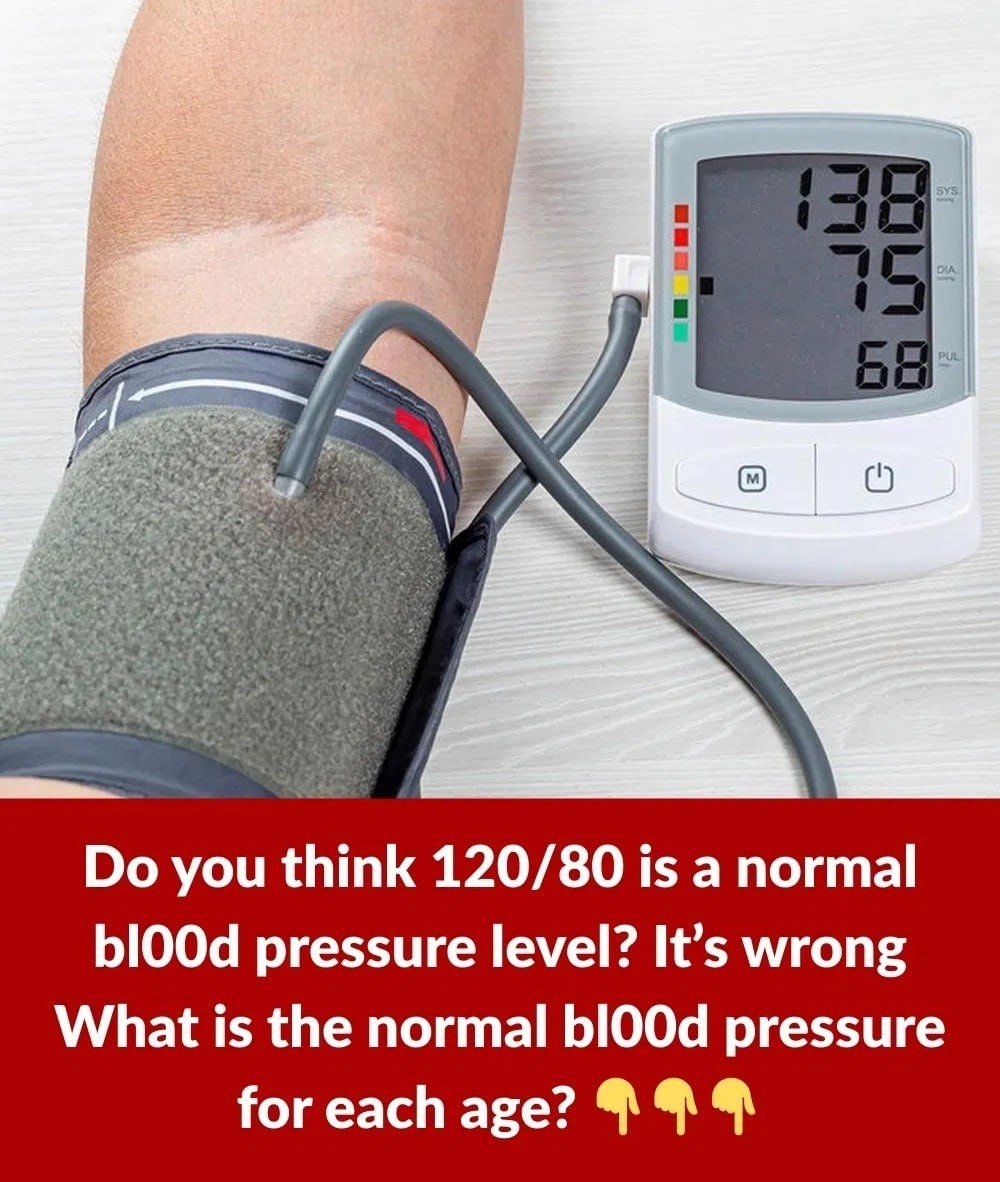
1. Blood pressure basics
Blood pressure measures the force exerted by circulating blood on the walls of arteries. It is recorded as two numbers: systolic pressure (the higher number) represents the pressure when the heart beats and pumps blood, while diastolic pressure (the lower number) reflects the pressure when the heart rests between beats.
Maintaining blood pressure within a healthy range is critical to reducing the risk of cardiovascular diseases, including heart attack, stroke, and kidney damage. Blood pressure is usually expressed in millimeters of mercury (mm Hg) and varies naturally based on activity, stress, and time of day.
Blood pressure categories typically include:
- Low blood pressure: systolic less than 90 mm Hg or diastolic less than 60 mm Hg
- Optimal blood pressure: systolic less than 120 mm Hg and diastolic less than 80 mm Hg
- Normal blood pressure: systolic 120–129 mm Hg or diastolic 80–84 mm Hg
- Elevated blood pressure: systolic 130–139 mm Hg or diastolic 85–89 mm Hg
- High blood pressure (hypertension): systolic 140 mm Hg or higher or diastolic 90 mm Hg or higher
Blood pressure readings that consistently fall in the elevated or high range require clinical attention to prevent long-term complications.
2. Age-specific blood pressure ranges
Blood pressure norms differ across age groups due to physiological changes and developmental factors. Recognizing age-specific ranges helps healthcare providers diagnose and manage hypertension accurately.
Children and teens have lower blood pressure values than adults, reflecting smaller vessel size and cardiac output. As people age, systolic pressure tends to rise, often while diastolic pressure remains stable or decreases slightly.
Typical age-based blood pressure ranges include:
- Newborns: systolic 60–90 mm Hg, diastolic 20–60 mm Hg
- Children and adolescents: systolic 90–128 mm Hg, diastolic 53–80 mm Hg, increasing with age
- Adults 18–39 years: average around 110–119/68–70 mm Hg
- Adults 40–59 years: average around 122–124/74–77 mm Hg
- Adults 60 years and older: average systolic rises to approximately 133–139 mm Hg with diastolic near 68–69 mm Hg
These ranges serve as guidelines; individual variation and clinical context are important when interpreting readings.