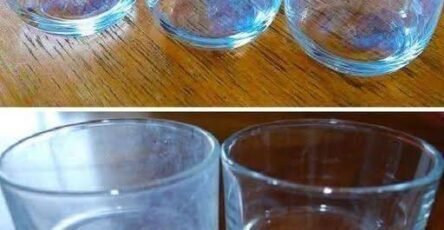
6. Vinegar and detergent residue
Detergent residues left behind after washing can cause fabrics to feel stiff, appear dull, and trap odors. Vinegar acts as a natural rinse aid that dissolves these residues by neutralizing alkaline detergent components.
Adding vinegar during the rinse cycle helps:
- Break down and remove residual detergents and minerals.
- Restore fabric softness and improve absorbency.
- Reduce buildup that can cause skin irritation or allergic reactions.
Using vinegar regularly can also reduce the need for excessive detergent amounts, which contributes to buildup and environmental waste.
7. Vinegar’s effect on colored fabrics
While vinegar is well-known for whitening whites, its effects on colored fabrics are more nuanced. Vinegar can help preserve colors by dissolving alkaline deposits that dull hues, but excessive or improper use may cause fading in some delicate or natural dyes.
To protect colored fabrics:
- Use diluted vinegar (1/2 cup per rinse) sparingly and avoid prolonged soaking.
- Test vinegar treatment on an inconspicuous area if unsure about colorfastness.
- Follow fabric care instructions carefully, especially for delicate or vintage items.
When used correctly, vinegar can maintain brightness and reduce the dinginess that develops over time in colored clothes.
8. Safety tips for vinegar use
Although vinegar is a natural and generally safe laundry additive, it is important to use it properly to avoid unintended damage or safety risks.
- Always use distilled white vinegar rather than colored or flavored varieties to prevent staining.
- Do not mix vinegar directly with bleach or products containing chlorine, as this can release harmful chlorine gas.
- Use vinegar in recommended amounts—excessive vinegar can weaken fabric fibers over time.
- Store vinegar safely away from children and pets to prevent accidental ingestion or irritation.
- If skin irritation occurs after handling vinegar, rinse thoroughly and consult a healthcare provider if symptoms persist.