6. Regular maintenance routine
Maintaining your oven with regular cleaning after each use is key to preventing heavy buildup and keeping it running efficiently. Use a damp cloth with lukewarm water and a mild washing-up liquid to wipe down spills and splatters promptly once the oven has cooled.
Schedule deeper cleans using the steam, salt, or baking soda methods every few weeks or depending on usage frequency. Consistent upkeep reduces the need for harsh scrubbing and extends the oven’s service life.
7. Dealing with burnt-on food
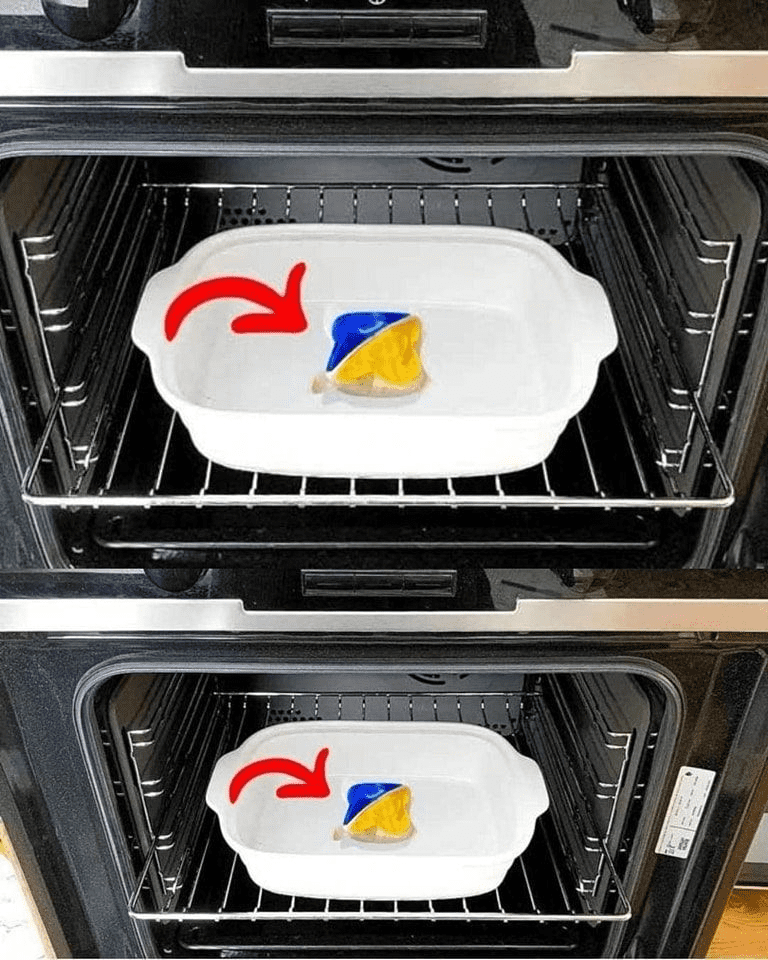
Burnt-on food can be challenging to remove and, if left, can cause smoke or unpleasant odors during cooking. For thick, charred residues, start by softening with the dishwasher tablet steam method or the lemon bowl approach.
If residues persist, apply baking soda paste directly and let it sit overnight before scrubbing gently with a non-abrasive pad. Avoid using metal scrapers or harsh abrasives that can damage oven surfaces.
For severe cases, multiple cleaning sessions may be necessary, but patience and gentleness preserve the oven’s interior coating.
8. Avoiding chemical cleaners
Many commercial oven cleaners contain harsh chemicals that can emit strong fumes and damage oven finishes if misused. They may also pose inhalation risks and require extensive ventilation during application.
Opting for natural cleaning methods such as dishwasher tablets, salt, lemon, baking soda, and vinegar reduces chemical exposure risks. These alternatives are safer for both your health and the environment while still effective when used correctly.