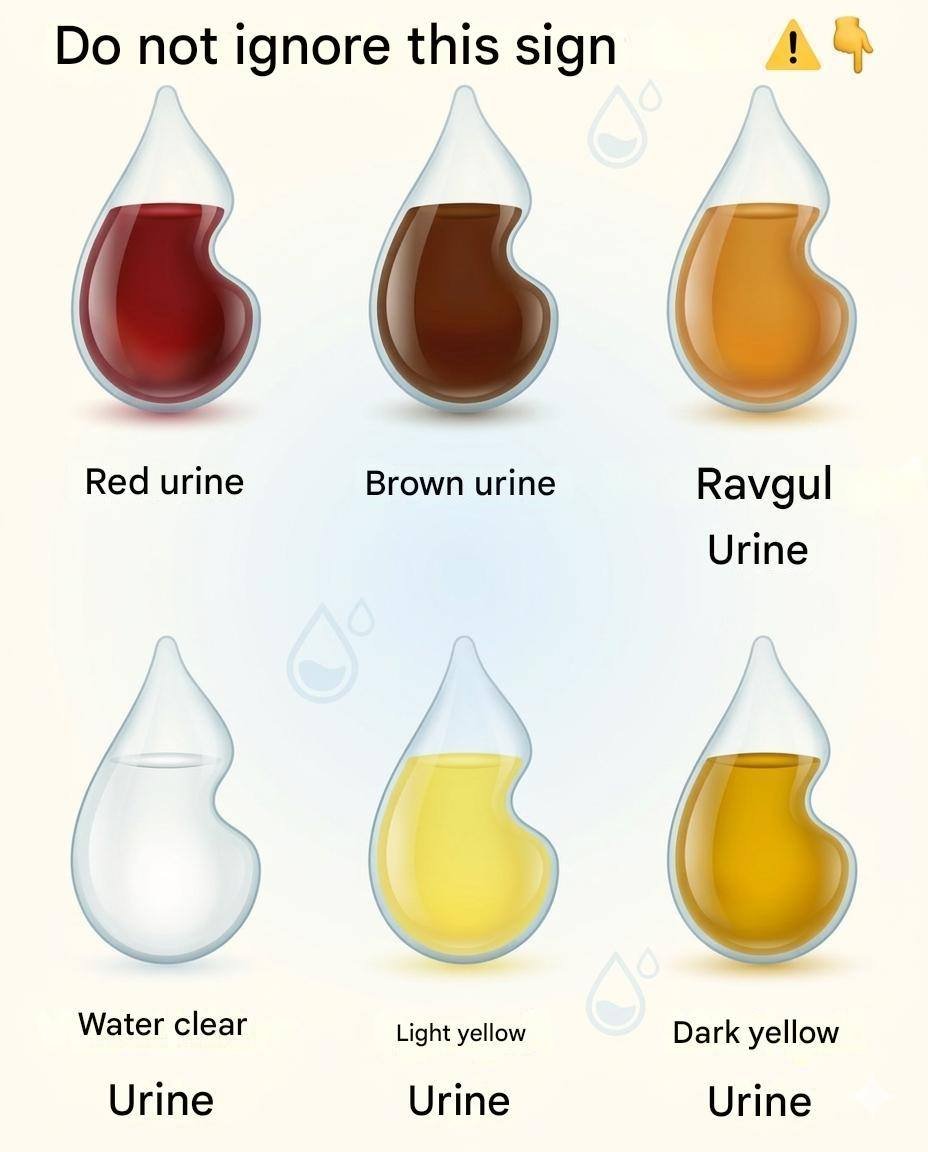
Emergency Note: Persistent unusual urine color accompanied by pain, fever, or fatigue requires prompt medical evaluation.
Why Urine Color Matters for Your Health
<pYour urine color is more than a minor detail; it can be an early indicator of hydration status, medication effects, or underlying medical conditions including liver or kidney issues. Recognizing when urine color signals a need for medical attention can help you avoid serious complications.
Deciding When to Act: Is Your Urine Color a Warning Sign?
Start by asking yourself: Is the color change temporary or persistent? Has it been accompanied by other symptoms like pain, fatigue, or swelling? Temporary shifts often relate to diet or hydration, but persistent changes warrant a healthcare consultation.
Check Your Medicine Cabinet
Several common medications can alter urine color, sometimes dramatically. For example, certain antibiotics, laxatives containing senna, and medications used to treat urinary tract infections may produce orange, red, or dark urine. Always review your prescriptions and over-the-counter drugs when evaluating changes in urine color, and consult your doctor if you suspect medication effects.
Understanding Urine Color Categories
The first step is to categorize urine color into these broad groups to guide your response:
- Clear or very light yellow: Typically indicates good hydration, but excessive water intake can lead to overhydration, risking electrolyte imbalance.
- Light yellow: Usually reflects normal hydration and healthy kidney function.
- Dark yellow to amber: Suggests dehydration and concentrated urine.
- Orange: May result from dehydration, certain foods, medications, or indicate liver or bile duct issues.
- Brown: Could signal serious problems such as liver disease or severe dehydration; also possible after intense exercise.
- Red or pink: Can be caused by blood in urine or ingestion of foods like beets; blood presence requires immediate medical evaluation.
Cost and Access to Medical Testing
If you notice persistent urine color changes, a urine analysis test is often the first diagnostic step. The cost for this test typically ranges from $20 to $100 depending on location and insurance coverage. Early testing can detect infections, kidney or liver issues, and guide timely treatment, potentially avoiding expensive hospital stays.
Hydration Guidelines to Maintain Healthy Urine Color
Maintaining optimal hydration is key. Adults generally need about 2 to 3 liters of fluids daily, adjusted for activity level and climate. Monitoring urine color daily is a simple, cost-free way to check hydration status and prevent dehydration-related complications.
Here are the 10 key urine color indicators and related factors. Number 6 is critical because it can signal conditions requiring urgent medical attention.