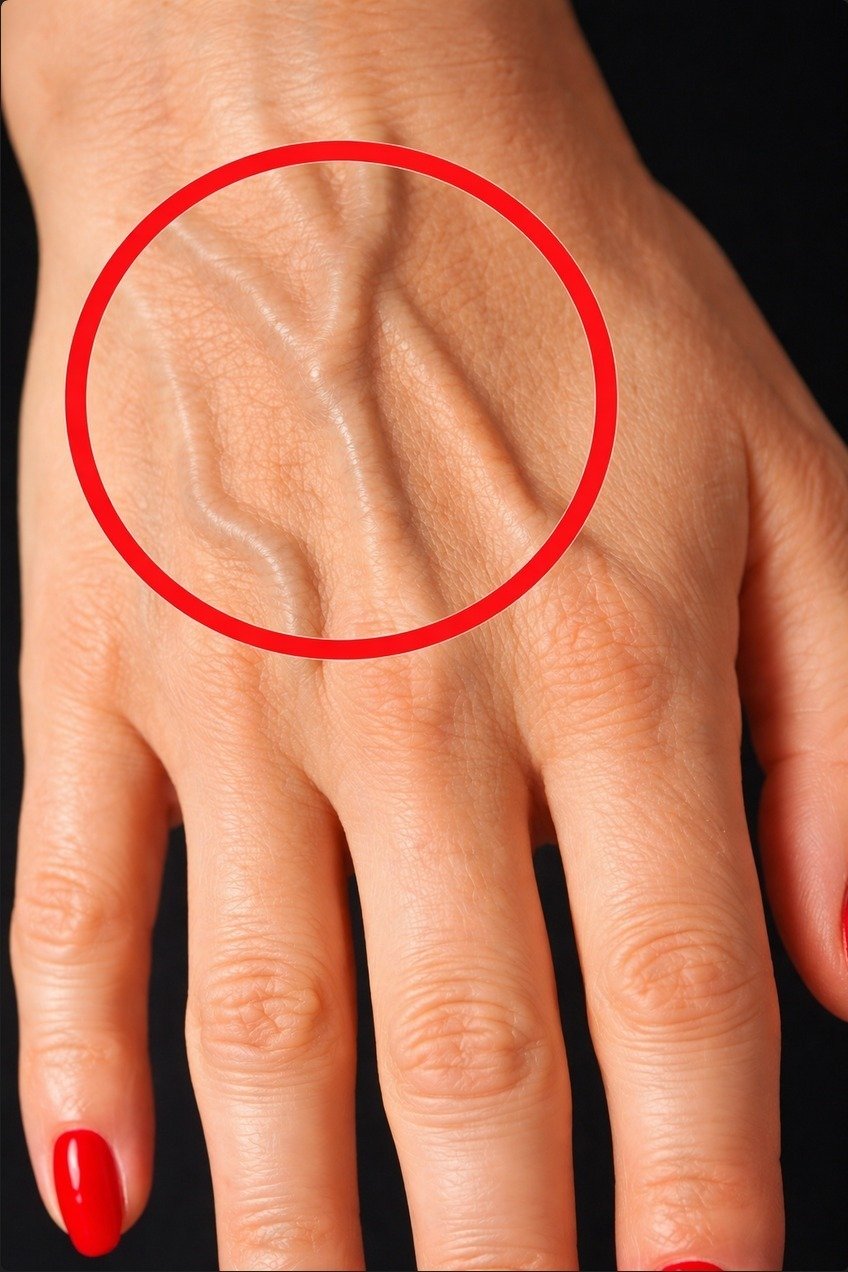
Emergency Note: If you experience sudden swelling, severe leg pain, or discoloration along with visible veins, seek medical attention immediately as these could indicate serious vascular conditions.
Visible Veins: Normal or a Sign of Venous Disease?
<pMany people worry that seeing their veins prominently is a sign of poor blood circulation. However, visible veins alone usually do not indicate circulatory problems. In fact, prominent veins can often reflect efficient blood flow rather than impairment.
The key question to ask yourself is whether visible veins are accompanied by other symptoms such as persistent swelling, pain, numbness, or skin changes. These additional signs are the crucial indicators that something may be wrong with your venous system and warrant professional evaluation.
Check Your Medicine Cabinet and Lifestyle First
Before jumping to conclusions, review your current medications and lifestyle. Certain drugs, including some blood pressure medications and steroids, can affect vein visibility. Sedentary habits, smoking, and underlying conditions like diabetes and hypertension also negatively impact circulation and vein health.
Understanding these factors will help you differentiate harmless visible veins from those signaling venous insufficiency or varicose veins, conditions where vein valves weaken and cause blood pooling, swelling, and discomfort. These conditions often require medical assessment and possible interventions, which can range from compression therapy to minimally invasive procedures costing from several hundred to a few thousand dollars depending on severity and treatment choice.
What Does Poor Circulation Look Like?
Poor circulation usually presents with symptoms beyond just the appearance of veins. Look for persistent leg swelling, cold or numb extremities, muscle cramps during walking, skin discoloration, or wounds that heal slowly. These symptoms suggest venous or arterial blood flow issues that may escalate if untreated.
Because poor circulation can lead to serious complications such as blood clots or chronic venous ulcers, early recognition and treatment are essential for preventing long-term damage.
Here are the 10 most important factors that influence visible veins and circulation health. Number 6 is the one that signals a condition requiring medical advice and possible treatment.